
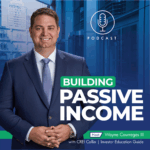

Episode Description
In this episode of Building Passive Income, CREI Collin explains practical strategies for reducing rental property expenses while protecting property quality and long-term profitability.
Lower operating expenses directly improve cash flow because every dollar saved increases your property’s net operating income. While investors cannot always control market rents, they can often identify opportunities to reduce unnecessary costs through better planning, preventative maintenance, vendor management, and careful financial analysis.
This episode explores where rental property expenses typically occur, how to evaluate them, and how disciplined expense management can strengthen long-term investment performance.
What You’ll Learn
- Why reducing rental property expenses improves cash flow
- How to evaluate operating expenses
- Strategies for lowering property taxes and insurance costs
- Preventive maintenance techniques that save money
- How to plan for capital expenditures
- Ways to benchmark expenses across your portfolio
- Common mistakes investors should avoid
- How disciplined expense management supports long-term wealth building
Key Takeaways
Why Reducing Rental Property Expenses Matters
Reducing rental property expenses is one of the fastest ways to improve cash flow.
Unlike rental income, which depends largely on market conditions, operating expenses are often within an investor’s control. Regular expense reviews can improve profitability while maintaining property quality and tenant satisfaction.
Reduce Property Taxes and Insurance Costs
Property taxes and insurance often represent two of the largest operating expenses.
Investors should periodically review:
- Property tax assessments
- Appeal opportunities when appropriate
- Insurance coverage
- Deductible options
- Available discounts
- Multiple insurance quotes
Small annual savings can compound into meaningful improvements in long-term cash flow.
Lower Maintenance Costs Through Prevention
Preventive maintenance usually costs less than emergency repairs.
A proactive maintenance plan can help investors:
- Extend the life of building systems
- Reduce unexpected repair costs
- Improve tenant satisfaction
- Protect long-term property value
Developing strong relationships with qualified contractors can also improve service quality and pricing.
Manage Utility Expenses Efficiently
Utility costs can significantly affect profitability, particularly when landlords pay for utilities.
Possible strategies include:
- Energy-efficient upgrades
- Water conservation measures
- Leak detection
- Appropriate utility billing arrangements where permitted
- Regular utility audits
Reducing waste helps improve operating efficiency without sacrificing tenant comfort.
Plan for Capital Expenditures
Every rental property eventually requires major repairs or replacements.
Creating a capital expenditure reserve helps prepare for items such as:
- Roof replacement
- HVAC systems
- Water heaters
- Flooring
- Appliances
Planning ahead reduces financial stress when large expenses arise.
Benchmark Operating Expenses
Tracking expenses consistently allows investors to identify trends and make better decisions.
Important categories include:
- Property taxes
- Insurance
- Repairs and maintenance
- Utilities
- Property management
- Capital expenditures
Benchmarking expenses against previous years and similar properties can reveal opportunities for improvement.
Avoid Common Expense Management Mistakes
Reducing rental property expenses does not mean cutting necessary services.
Common mistakes include:
- Delaying preventive maintenance
- Choosing the lowest-priced contractor without considering quality
- Failing to review insurance regularly
- Ignoring expense tracking
- Over-improving beyond neighborhood standards
A balanced approach protects both cash flow and property value.
CREI Partners’ Investment Philosophy
At CREI Partners, we believe successful investing begins with disciplined operations.
Reducing rental property expenses is not about cutting corners. It is about making informed decisions that improve cash flow while maintaining safe, well-maintained properties and creating positive tenant experiences.
Long-term wealth is built through consistent management, conservative underwriting, and thoughtful expense control.
Episode Highlights
[00:00] Why reducing rental property expenses improves cash flow
[03:00] Lowering property taxes and insurance costs
[09:00] Preventive maintenance strategies
[16:00] Managing utility expenses
[22:00] Planning for capital expenditures
[28:00] Benchmarking operating expenses
[33:00] Common expense management mistakes
[37:00] Key takeaways
Resources & Tools Mentioned
- Property tax assessment records
- Insurance comparison resources
- Preventive maintenance schedules
- Property management software
- Expense tracking tools
- Contractor management systems
Schedule a Strategy Call
Interested in learning how CREI Partners evaluates cash-flow-focused real estate investments?
Schedule a strategy call with our team:
Subscribe & Review
If you’re enjoying Building Passive Income, subscribe to the podcast and leave a review.
Your support helps us continue creating educational content for investors focused on building long-term passive income through real estate.
Next Episode
In Episode 122, CREI Collin explains how to increase rental income through thoughtful rent adjustments while maintaining strong tenant relationships and minimizing turnover.
Disclaimer
This episode is provided for educational purposes only and should not be considered financial, legal, tax, or investment advice. Property taxes, insurance costs, maintenance requirements, and operating expenses vary by market and property. Always consult qualified professionals before making investment decisions.
Keywords
reducing rental property expenses, rental property expenses, improve cash flow, operating expenses, rental property cash flow, property taxes, landlord insurance, preventive maintenance, capital expenditures, property management, passive income, real estate investing

 Subscribe to our newsletter so you never miss out on new investment opportunities, podcasts, blogs, news and events.