
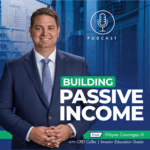

Welcome to Building Passive Income with CREI Collin
Welcome to April and the Due Diligence Deep Dive.
This month, we’re covering everything you need to know about real estate due diligence and how to evaluate a deal properly.
In this episode, CREI Collin breaks down what real estate due diligence really is, why it’s your final opportunity to renegotiate or exit, and the three primary objectives you must accomplish.
If you’re wondering what real estate due diligence actually involves, this episode gives you a clear framework to follow.
Learn from an early mistake of nearly overpaying for a property with inflated financials. And more importantly, learn the common mistakes that cost investors hundreds of thousands of dollars.
In This Episode, You’ll Learn:
• What real estate due diligence actually is—and why it’s not just a formality
• Why due diligence is about finding reasons a deal might NOT work
• The three primary objectives: verify financials, assess physical condition, identify legal issues
• The three phases of due diligence: initial review, detailed analysis, and final decision
• The four key areas to focus on: financial, physical, legal, and market due diligence
• How to verify income against bank deposits—not just reported figures
• Why the property condition assessment (PCA) is worth the investment
• What to look for in title commitments, surveys, and zoning compliance
• The five most common due diligence mistakes investors make
• Why skipping due diligence to save a few thousand dollars can cost you six figures
Key Topics Covered:
[00:00] Introduction – Welcome to Due Diligence Deep Dive Month
[02:00] What Is Real Estate Due Diligence? – Independently verifying all material aspects of the deal
[04:15] Story: How Due Diligence Saved Me from Overpaying $150,000
[05:30] Why Income Should Always Be Verified Against Bank Deposits
[06:30] The Three Primary Objectives of Due Diligence
[07:15] Objective 1: Verify the Financials
[07:45] Objective 2: Assess the Physical Condition
[08:15] Objective 3: Identify Legal and Compliance Issues
[08:45] The Three Phases: Initial Review, Detailed Analysis, Final Decision
[09:30] Early Phase: Looking for Deal-Breakers
[10:45] Detailed Review Phase: Bringing in Third-Party Experts
[11:00] The Four Key Areas: Financial, Physical, Legal, and Market Due Diligence
[12:00] Financial Due Diligence: Rent Rolls, T-12s, Bank Statements, Tax Returns
[13:30] Why Assumptions Can Be Overly Optimistic or Incomplete
[14:15] Physical Due Diligence: PCA, Roof, HVAC, Environmental Phase I
[15:30] Common Mistake #1: Skipping Due Diligence to Save Money
[16:45] Common Mistake #2: Not Reading the Leases
[17:30] Common Mistake #3: Trusting the Seller’s Numbers Without Verification
[18:15] Common Mistake #4: Not Visiting the Property
[19:00] Common Mistake #5: Ignoring Red Flags
[20:30] Why Due Diligence Matters – Risk Mitigation and Leverage
[22:00] Recap and Next Episode Preview
Key Takeaways: Real Estate Due Diligence
✅ Real estate due diligence is the process of independently verifying all material aspects of a deal—it’s often your final opportunity to renegotiate or exit
✅ Due diligence is not about confirming a deal works—it’s about finding where it could break
✅ Focus on three objectives: verify financials, assess physical condition, and identify legal and compliance risks
✅ Work through three phases: initial review, detailed analysis, and final decision
✅ Always verify income against bank deposits—don’t rely solely on reported numbers
✅ The property condition assessment (PCA) helps identify repairs, capital expenditures, and hidden risks
✅ Read every lease—key details like renewal options, concessions, and below-market rents matter
✅ Visit the property in person—walk units, observe tenants, and understand the surrounding area
✅ Investigate every red flag—small inconsistencies often point to larger issues
✅ Due diligence protects your capital—it costs time and money, but prevents major losses
✅ You don’t make money during due diligence—but you can lose a lot if you rush it
✅ Skipping due diligence to save money can cost you significantly more later
Resources Mentioned:
• Property Condition Assessment (PCA) – Third-party inspection to identify deferred maintenance and capital needs
• Phase I Environmental Report – Identifies environmental risks and potential liabilities
• Title Commitment and Survey – Shows liens, easements, encumbrances, and property boundaries
• CREI Partners: https://www.creipartners.com/
• Schedule a Free 30-Minute Consultation: https://calendly.com/shelbi-creipartners/30min
• Passive Investor Coaching: https://passiveinvestorcoaching.com/
Ready to Build Your Diversified Passive Income Portfolio?
Let’s create your personalized portfolio strategy together. Schedule your free 30-minute consultation:
https://calendly.com/shelbi-creipartners/30min
Subscribe & Follow:
🎧 Apple Podcasts | Spotify | YouTube
Follow us on social media for daily real estate investing insights and updates:
📱 Instagram | Facebook | LinkedIn
Disclaimer:
This podcast is for educational and informational purposes only and does not constitute legal, tax, or investment advice. Always consult with a qualified CPA, attorney, and financial advisor before making any investment decisions.

 Subscribe to our newsletter so you never miss out on new investment opportunities, podcasts, blogs, news and events.